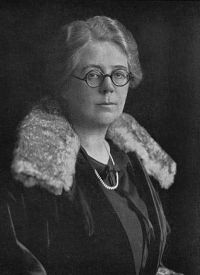
Mrs. C. S. Peel

Mrs. C. S. Peel

Summary

Portrait of Mrs. C. S. Peel Mrs. C. S. Peel Dishes made without meat (1907)

Slice the carrots and arrange all three vegetables in china shells, mask with mayonnaise sauce, sprinkle with coralline pepper, and serve with cold meat, or reheat them by steaming, place them in a hot fireproof dish, cover with boiling hot maître d’hôtel sauce, and garnish with rolls of bacon, and serve as a luncheon dish; or add a little onion and use for a vegetable curry, and serve surrounded by well-boiled rice; or reheat, mix with parsley and butter sauce, cover with mashed potato, score the top and brown in the oven, and serve for luncheon in the guise of vegetable pie.
Source: Gutenberg

Portrait of Mrs. C. S. Peel Mrs. C. S. Peel Dishes made without meat (1907)

If the rice is boiled too slowly or for too long a time the result will be a sticky mass. A good plan is to pour in a pint of cold water when the rice is sufficiently cooked. This stops the boiling at once and helps to separate the grains; if put close to the stove when the rice is first put into the pan, the cook will be able to throw it into the pan the moment the rice is tender. If the rice is to be served with meat in place of a vegetable, the rice should only be partly cooked and the water all drained off, and then 1⁄2 pint to 1 pint of stock put in the pan.
Source: Gutenberg

Portrait of Mrs. C. S. Peel Mrs. C. S. Peel Dishes made without meat (1907)

The chief faults of the average salad, next to the use of inferior oil and flabby lettuce, are the excess of dressing, the excess of vinegar, and the use of pepper which is not freshly ground. A salad prepared in the manner described is as different as chalk is from cheese from the salad which is generally put before one, and no more difficult to make.
Source: Gutenberg

Get perspective with Kwize: daily news enlightened by great literature