Summary

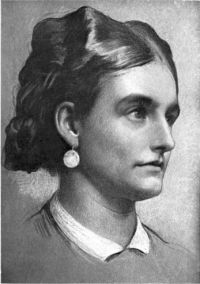
Portrait of Janet Ross Janet Ross Leaves from our Tuscan kitchen… (1899)

The innate love of change in man is visible even in the kitchen. Not so very long ago soup was an exception in English houses—almost a luxury. A dish of vegetables—as a dish and not an adjunct to meat—was a still greater rarity; and even now plain-boiled potatoes, peas, cabbages, etc., are the rule. When we read of the dishes, fearfully and wonderfully made, in the old Italian novelle, we wonder whence the present Italians got their love of vegetables and maccaroni.
Source: Gutenberg

Portrait of Janet Ross Janet Ross Leaves from our Tuscan kitchen… (1899)

Rancid or impure oil or bad butter will ruin sauces and salads. Both butter and oil should always be tasted before buying, as good cookery is impossible unless they are perfectly fresh and good in every way; butter must be added to sauces in small bits, or it will form a greasy line. To skim sauces, take the sauce-pan [Pg 2] off the fire and put in a teaspoonful of cold water, which will make the grease rise. Remember that wine increases the taste of salt, so when wine is used in a sauce put in very little salt until after the wine has been added.
Source: Gutenberg

Portrait of Janet Ross Janet Ross Leaves from our Tuscan kitchen… (1899)

Put one pound of mashed potatoes, the beaten-up yolks of two eggs, a little onion juice, grated nutmeg, salt, two tablespoonfuls of cream, a pinch of cinnamon, one dessert-spoonful of minced parsley, and two ounces of butter, into a sauce-pan over a moderate fire. Cook until it comes away from the sides, then remove it from the fire. When cold it will break up into small pieces. Meanwhile beat up an egg with a little hot water, dip the pieces of potato into it, and then into grated bread-crumbs. Fry in boiling fat and serve hot with fried parsley.
Source: Gutenberg

Get perspective with Kwize: daily news enlightened by great literature