Paste

Definition and stakes

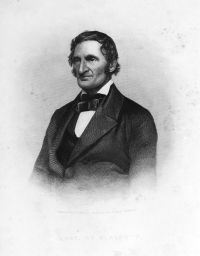
George Erhart Balluff,  The China Painter Instruction Book

“ Keep paste in as small and round a heap as possible while it is being used. It is best to mix fresh paste for each day’s work. If you should wish to remix paste, use as little oil as possible.
To straighten an uneven line cut the end of a brush handle to a sharp edge and smooth or move the line in place. A brush moistened with turpentine will sometimes do the work satisfactorily. Do not let the brush become clogged with paste while working. Clean it frequently by wiping it on a cloth. Dresden paste brushes are best for this work. Paste may be applied over fired colors or lustre if desired.
”

Source: Gutenberg

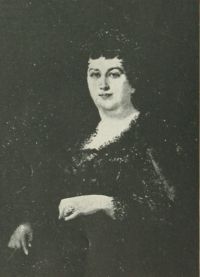
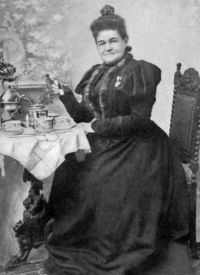
Portrait of Mary Ronald Mary Ronald,  The Century Cook Book

“ After each turn, if it shows signs of softening, otherwise after each two turns, wrap the paste in a napkin, and place it in a pan, which should be placed between two other pans containing cracked ice, and let it remain there twenty to thirty minutes. Great care must be used in rolling the paste to keep the edges even, so that the layers will be even, and to roll lightly and always away from you, so as not to break the air-bubbles which give the lightness to the paste. The rolling is made easier by lightly pounding as well as rolling the paste. ”
Source: Gutenberg

James Duff Brown,  A handbook of library appliances (1892)

“ Ordinary flour paste is made by mixing flour and water to the consistency of a thin cream, taking care that all knots are rubbed out, and boiling over a slow fire with constant stirring until it becomes translucent. It can be made of almost any thickness and toughness, and by the admixture of a little glue very strong paste is obtained. ”
Source: Gutenberg

Get perspective with Kwize: daily news enlightened by great literature