Vermicelli

Definition and stakes

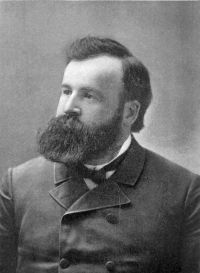
William Edward Shuckard,  British Bees

“ These cells are occupied by a succession of six, or eight, or even sometimes no more than two, three, or four cartridge- or thimble-like cases, in each of which is deposited a single egg with a sufficiency, taught the creature by its instinct, of a mingled paste of honey and pollen, for the full nurture and development of the vermicle that will proceed from the egg upon its being hatched, and wherein this larva, having consumed its provender, becomes transformed into the pupa, and by the continuance of nature’s mysterious operations, it speedily changes into the perfect insect. ”
Source: Gutenberg

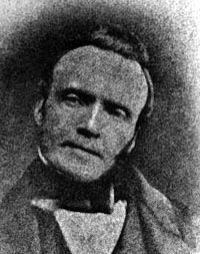
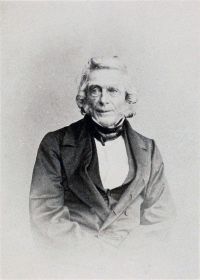
Portrait of James Duncan James Duncan,  The Naturalist's Library (1840)

“ When the vermicle, or young larva, has grown a little, four membranous buds or follicles, like flower-cups, are observed to spring out of the body near the end of the thorax; if opened at an early period, these are found to be mere bags, containing nothing but a watery ichor, but they soon become more matured, and the wings may be observed in them folded together. When full grown, all the varieties of colour and painting which distinguish the perfect insect, become transparent through the skin. The food of these larvae, he says, is soft mud, and the fine earthy substance in which they live. ”
Source: Wikisource

Get perspective with Kwize: daily news enlightened by great literature