Pollination

Definition and stakes

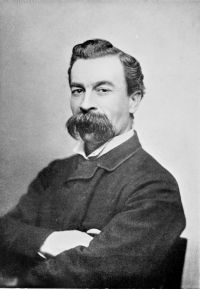
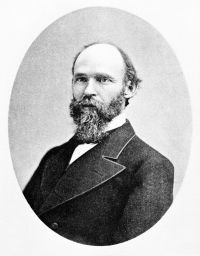
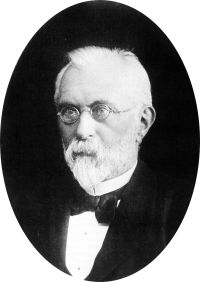
Portrait of Eugenius Warming Eugenius Warming A handbook of systematic botany (1895)

Pollination is accomplished by means of the wind. At the period of pollination the leaves are always so widely separated from one another, that the ovules can catch the pollen-grains carried to them by the wind; this is often effected by the mucilaginous drops which appear at the micropyle, and by the evaporation of which the pollen-grains are brought in contact with the nucellus.
Source: Gutenberg

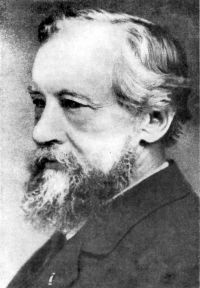
Portrait of Eugenius Warming Eugenius Warming A handbook of systematic botany (1895)

The smallness of the flowers, the absence of honey, the dryness and lightness of the pollen, the size of the stigma and the abundance of hairs found on many stigmas are all adaptations for wind-pollination. It is also an advantage that the flowers are generally pollinated before the foliage-leaves are developed, thus preventing the pollen being entangled by the leaves.
Source: Gutenberg

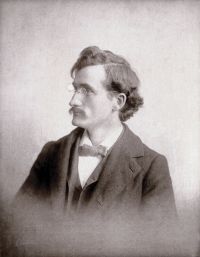
Portrait of Harry Marshall Ward Harry Marshall Ward The Oak (1892)

When ripe the wind blows the pollen as it scatters from the dangling stamens, and some of the grains reach the stigmas of the female flowers; here they germinate, each pollen grain sending a delicate pollen-tube down the style into the ovary of the flower. This process of application of the pollen grains to the stigma is termed pollination, and depends on the wind.
The female inflorescences are also spikes (Fig. 32, A) , but they bear only one to five flowers, and stand off from the axils of the foliage leaves.
Source: Wikisource

Get perspective with Kwize: daily news enlightened by great literature