Summary

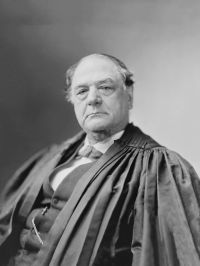
Portrait of Noah Haynes Swayne Noah Haynes Swayne National Bank of the Commonwealth v…

In the latter case, Lord Mansfield said: 'The interest is an accessory to the principal; and the plaintiff cannot bring a new action for any interest grown due between the commencement of his action and the judgment in it. . . . I don't know of any court in any country (and I have looked into the matter) which don't carry interest down to the last act by which the sum is liquidated.' The treasury authority fell into an error. There should have been no discrimination between principal and interest in making the payments.
Source: Wikisource

Portrait of Noah Haynes Swayne Noah Haynes Swayne National Bank of the Commonwealth v…

If there had been a judgment, and the full amount due upon it had not been paid, an action of debt might have been brought upon it to recover the balance. 1 Chitty's Plead. 111.
Such balance would have been adjudged to the plaintiff with interest in the shape of damages for the detention of the debt. If, in that case, the judgment debtor had chosen to pay only the principal of the judgment, leaving the interest unsatisfied, and the suit had been for the balance, consisting of interest only, the same result would have followed.
Source: Wikisource

Portrait of Noah Haynes Swayne Noah Haynes Swayne National Bank of the Commonwealth v…

The plaintiff in this action was entitled, ex equo et bono, to the money sought to be recovered. Where the right to recover exists in this class of cases, it includes interest as well as principal, unless there is something which would render the payment of the former inequitable.
Kent, C. J., said upon this subject: 'Each case will depend upon the justice and equity arising out of its peculiar circumstances, to be disclosed at the trial.
Source: Wikisource

Get perspective with Kwize: daily news enlightened by great literature