Summary

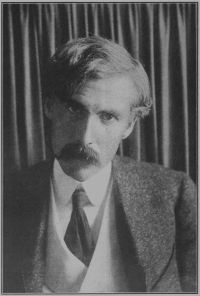
Portrait of Norman Duncan Norman Duncan Christmas Eve at Swamp's End

But a borrowed baby, it seems, is of no use whatsoever; the satisfaction is said to be temporary—nothing more—and to leave a sense of vacant arms and a stinging aggravation of envy. So what Pattie Batch wanted was a baby to keep—a baby she could call her own and cherish against meddling—a baby that should be so rosy and fat and curly, so neat and white, so scrubbed and highly polished from crown to toe-nails, that every mother in the land, beholding, would promptly expire on the spot of amazement, incredulity and sheer jealousy.
Source: Gutenberg

Portrait of Norman Duncan Norman Duncan Christmas Eve at Swamp's End

Christmas Eve, you see: Day done. Something of soft fawn-skin engaged her, it seemed, with white patches matched and arranged with marvellous exactitude: something made for warmth in the wind—something of small fashion, but long and indubitably capacious—something with a hood. A little cloak, possibly: I don't know. But I am sure that it could envelop, that it could boil or roast, that it could fairly smother—a baby! It was lined with golden-brown, crackling silk, which Pattie Batch's mother had left in her trunk, upon her last departure, poor woman!
Source: Gutenberg

Portrait of Norman Duncan Norman Duncan Christmas Eve at Swamp's End

A clean man: a big, broad-shouldered, deep-chested, long-legged body, with a soul to match it—a glowing heart and a purpose lifted high. There was no mistaking the man by men.
John Fairmeadow, clad like a lumber-jack, upright, now, in the full stature of a man, body and soul, grinned like a delighted schoolboy. His fine head was thrown back, in the pride of clean, sure strength; his broad face was in a rosy glow; his great chest still heaved with the labour of a stormy trail; his gray eyes flashed and twinkled in the soft light of Pale Peter's many lamps.
Source: Gutenberg

Get perspective with Kwize: daily news enlightened by great literature