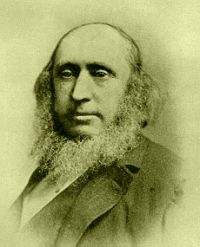
R. D. Blackmore

R. D. Blackmore

Summary

Portrait of R. D. Blackmore R. D. Blackmore Lorna Doone — 58. Lorna gone away (1869)

We have passed through many troubles, dangers, and dispartments, but never yet was doubt between us; neither ever shall be. Each has trusted well the other; and still each must do so. Though they tell you I am false, though your own mind harbours it, from the sense of things around, and your own undervaluing, yet take counsel of your heart, and cast such thoughts away from you; being unworthy of itself they must he unworthy also of the one who dwells there; and that one is, and ever shall be, your own Lorna Dugal.'
Some people cannot understand that tears should come from pleasure
Source: Wikisource

Portrait of R. D. Blackmore R. D. Blackmore Lorna Doone — 58. Lorna gone away (1869)

And the changing of the sky is half the change our nature calls for. Earth we have, and all its produce (moving from the first appearance, and the hope with infants' eyes, through the bloom of beauty's promise, to the rich and ripe fulfilment, and the falling back to rest) ; sea we have (with all its wonder shed on eyes, and ears, and heart; and the thought of something more) —but without the sky to look at, what would earth, and sea, and even our own selves, be to us?
Source: Wikisource

Portrait of R. D. Blackmore R. D. Blackmore Lorna Doone — 58. Lorna gone away (1869)

And then, although it pierced my heart not to say one "goodbye, John," I was glad upon the whole that you were not here to dispute it. For I am almost certain that you would not, without force to yourself, have let your Lorna go to people who never, never can care for her.'
Here my darling had wept again, by the tokens on the paper; and then there followed some sweet words, too sweet for me to chatter them. But she finished with these noble lines, which (being common to all humanity, in a case of steadfast love) I do no harm, but rather help all true love by repeating.
Source: Wikisource

Get perspective with Kwize: daily news enlightened by great literature