Summary

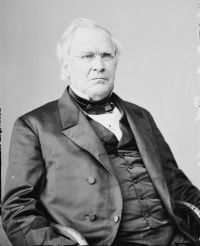
Portrait of Robert Cooper Grier Robert Cooper Grier Philadelphia Wilmington and Baltimore Railroad Company v…

The steamer Superior left her wharf at Havre de Grace, with a fleet of canal boats, on Sunday, the 11th May, 1856, and while engaged in towing the boats down the Susquehanna on that day, struck the pile which disabled her.
It is the law of Maryland, that no person whatever shall work or do any bodily labor, or willingly suffer any of his servants to do any manner of work or labor, on the Lord's day, works of necessity and charity excepted; and a penalty is prescribed for the breach of the law.
Source: Wikisource

Portrait of Robert Cooper Grier Robert Cooper Grier Philadelphia Wilmington and Baltimore Railroad Company v…

But assuming this proposition to be true, the inference from it will not follow as a egitimate conclusion; for, if we admit that the master and mariner of a ship or teamboat are liable to the penalty of the act for commencing their voyage from a port in Maryland on Sunday, it by no means follows that the appellants can protect themselves from responding to the owners of the vessel for the damages suffered in consequence of the nuisance.
Source: Wikisource

Portrait of Robert Cooper Grier Robert Cooper Grier Philadelphia Wilmington and Baltimore Railroad Company v…

That the steamer 'Superior,' the subject of the injury, being, at the time of the wrong committed, a licensed vessel, sailing in her lawful business, on waters within the ebb and flow of the tide, a court of admiralty has jurisdiction to redress any trespass upon her, notwithstanding an action at law might have been maintained for the same injury.
Source: Wikisource

Get perspective with Kwize: daily news enlightened by great literature