Summary

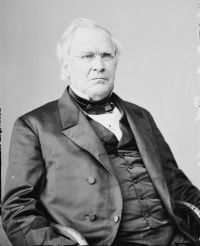
Portrait of Robert Cooper Grier Robert Cooper Grier Propeller Monticello v. Mollison…

It is true, that in courts of common law the injured party alone can sue for a trespass, as the damages are not legally assignable; and if there be an equitable claimant, he can sue only in the name of the injured party: whereas, in admiralty, the person equitably entitled may sue in his own name. But the same reasons why the wrongdoer cannot be allowed to set up as a defence the equities between the insurer and insured, equally apply in both courts. The respondent is not presumed to know, or bound to inquire, as to the relative equities of parties claiming the damages.
Source: Wikisource

Portrait of Robert Cooper Grier Robert Cooper Grier Propeller Monticello v. Mollison…

If others claim a right to stand in his place, they must intervene in proper time, or lose their recourse to the respondent.
The insurer may at all times intervene in courts of admiralty, if he has the equitable right to the whole or any part of the damages. Under the 34th rule in admiralty of this court, he may be allowed to intervene, and become the dominus litis, where he can show an abandonment, which devests the original claimant of all interest.
Source: Wikisource

Portrait of Robert Cooper Grier Robert Cooper Grier Propeller Monticello v. Mollison…

When the steamer first discovered the light of the schooner, she was sailing steadily on the course adopted, and continued to do so, till the collision was produced by the perverse dexterity of the helmsman of the steamboat.
2. The defence set up in the answer, that the libellants have received satisfaction from the insurers, cannot avail the respondent. The contract with the insurer is in the nature of a wager between third parties, with which the trespasser has no concern.
Source: Wikisource

Get perspective with Kwize: daily news enlightened by great literature