Summary

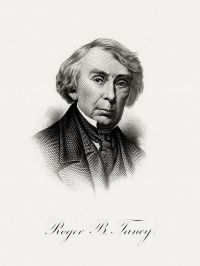
Portrait of Roger B. Taney Roger B. Taney Cushing v. Owners of the Ship John Fraser…

It is true, that the John Fraser was the res or thing which struck the James Gray, and did the damage. But the mere fact that one vessel strikes and damages another, does not of itself make her liable for the injury; the collision must in some degree be occasioned by her fault. A ship properly secured may, by the violence of a storm, be driven from her moorings and forced against another vessel, in spite of her efforts to avoid it.
Source: Wikisource

Portrait of Roger B. Taney Roger B. Taney Cushing v. Owners of the Ship John Fraser…

And the local authorities have a right to prescribe at what wharf a vessel may lie, and how long she may remain there, where she may unload or take on board particular cargoes, where she may anchor in the harbor, and for what time, and what description of light she shall display at night to warn the passing vessels of her position, and that she is at anchor and not under sail. They are like to the local usages of navigation in different ports, and every vessel, from whatever part of the world she may come, is bound to take notice of them and conform to them.
Source: Wikisource

Portrait of Roger B. Taney Roger B. Taney Cushing v. Owners of the Ship John Fraser…

On that evening the John Fraser came in from sea, in tow of the General Clinch. The latter was a steamboat, occasionally employed in towing vessels in and out of the harbor, and was properly fitted and manned for that purpose. There was ample room on both sides of the James Gray for the tug and the tow to have passed with safety, if the James Gray had been seen in time. But she was not seen, either from the General Clinch or the John Fraser, until the steamboat was abreast of her, and at the distance of not more than forty or fifty fathoms.
Source: Wikisource

Get perspective with Kwize: daily news enlightened by great literature