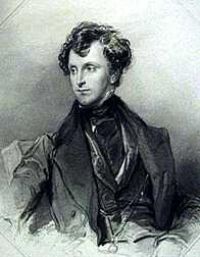
Sir James Emerson Tennent

Sir James Emerson Tennent

Summary

Portrait of Sir James Emerson Tennent Sir James Emerson Tennent Belgium, Vol. 2 (of 2) (1841)

With less of elegance and attraction, there is an equal air of business-like energy and bustling activity in the streets of Liege, as at Ghent. The Meuse is navigable from the city to the sea, and its quays are frequented by the craft, which convey its produce to the various cities along its course, Ruremonde and Venloo to Gorcum, Dordrecht and the Rhine. Its streets are crowded with an incessant stream of waggons, carriages and carts, and in the better streets and squares, the shops are as gay and attractive as those of the Rue Montagne de la Cour at Brussels.
Source: Gutenberg

Portrait of Sir James Emerson Tennent Sir James Emerson Tennent Belgium, Vol. 2 (of 2) (1841)

The events of the revolution put an instantaneous check to this career of affluent prosperity; Antwerp, compelled to form a portion of the independent kingdom without colonies, or commerce, or foreign relations, found her shipping laid up idle in her docks, and her merchants, conscious of the ruin which had overwhelmed their prospects at home, transferred their capital, and their exertions to Holland, and united their fate to that of their now triumphant rivals.
Source: Gutenberg

Portrait of Sir James Emerson Tennent Sir James Emerson Tennent Belgium, Vol. 2 (of 2) (1841)

Ten thousand families are hanging upon us for bread—fifty thousand individuals, men, women and children, spread over town and country, and dispersed through every province, depend upon our establishments for employment, and when this fails, they have no other resource to fly to. It remains with you to preserve to Belgium a branch of her industry which firm determination may yet retrieve, and which only requires vigorous resolution to free it from the tribute which it now pays to the stranger.
Source: Gutenberg

Get perspective with Kwize: daily news enlightened by great literature