“ In the time of Charles V., Ghent was not only the most powerful city in the rich Netherlands, but one of the most opulent in all Europe. And what the Belfry, whose chimes ring out with such sweet melody by night and day, was to Bruges, that was to the more warlike men of Ghent the 'iron tongue' of Roland, the mighty bell which hung in the lofty watch-tower. It called them to arms. It sent them forth to battle. It welcomed them home victorious, or bade them meet and defend their privileges in the market-place. ”
Ghent
Definition and stakes
Ghent, a historic city in Belgium’s East Flanders province, is renowned for its medieval architecture, vibrant cultural life, and role as a hub of trade and education. Once a dominant force in the 15th century, its legacy endures through preserved landmarks like the Belfry and St. Bavo’s Cathedral. Authors such as George W. T.
Omond highlighted its turbulent past as a bastion of independence and its transformation into a commercial powerhouse, while John Lothrop Motley depicted its fiery reputation as a center of unrest. Adeline Trafton noted its religious institutions, and Romesh Chunder Dutt emphasized its modern industrial energy. These varied perspectives underscore Ghent’s duality: a city where medieval resilience meets contemporary dynamism, blending historical grandeur with ongoing prosperity.
Quotes about “Ghent”
“ In the old days the men of Ghent were famous for their turbulent spirit and love of independence. It was no easy task to rule them, as Counts of Flanders, or Dukes of Burgundy, or Kings of Spain often found to their cost. And now it seems as if the robust character of the burghers who fought so hard, in mediæval times, to maintain their liberties, had been merely turned into another channel, and transmitted to their descendants in the shape of that keen activity in commerce which makes this town so prosperous at the present day. ”
George W. T. Omond, Peeps at Many Lands: Belgium
“ If you have ever been to Bruges you can never forget it. It rises high above the market-place. All day long, year after year, the chimes ring every quarter of an hour; and all night too, unceasingly, through winter storm and summer moonlight, the belfry pours forth its perpetual lament over the dead city.Not far from Bruges, only forty minutes by railway, is another ancient town called Ghent; but instead of being dead like Bruges, it is alive and busy. In the days of old the people of Ghent were the most independent and brave in Belgium. ”

Related terms
Authors who wrote about “Ghent”
George W. T. OmondEdward Neville Vose Sir James Emerson TennentErnest Gilliat-Smith
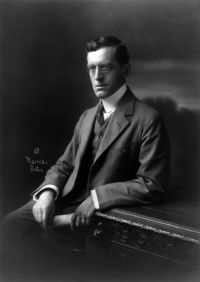 Ralph Adams Cram
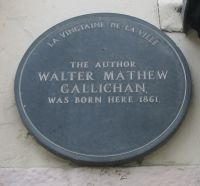 Walter M. Gallichan
 Enguerrand de MonstreletRuth PutnamJean Froissart
 May Sinclair
 John Lothrop Motley
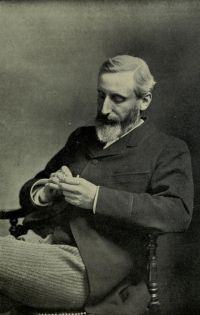 Grant Allen
 G. A. Henty
 Adeline Trafton
 Oliver OpticDonald Campbell
 Sir J. W. FortescueVarious
 John William Polidori
 Bayard Taylor
Sir James Emerson TennentErnest Gilliat-SmithRalph Adams CramWalter M. GallichanEnguerrand de MonstreletRuth PutnamJean FroissartMay SinclairJohn Lothrop MotleyGrant AllenG. A. HentyAdeline TraftonOliver OpticDonald CampbellSir J. W. FortescueVariousJohn William PolidoriBayard Taylor