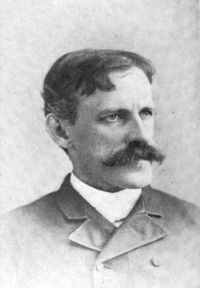
William Elliot Griffis

William Elliot Griffis

Summary

Portrait of William Elliot Griffis William Elliot Griffis Belgian Fairy Tales (1919)

I shall make of you an example, to other frivolous fairies. It is so silly of you, or them, to envy other creatures. When you weary of being such a quadruped, if it be the right moment of your release, utter the Flemish name for donkey. Then, you will become a thing of wood, but not the living creature itself; and always after that, you must be burden-bearer for men. You will live forever, on four legs, in an artist’s studio, but you can never be a fairy again.”
Although Flax-Flower wept copiously, and the tears rolled down out of her beautiful eyes, like rain drops, the spell proceeded.
Source: Gutenberg

Portrait of William Elliot Griffis William Elliot Griffis Belgian Fairy Tales (1919)

I should gladly die, if I might end the quarrels of the fairies and leave behind me a crimson flower. I want something, on Belgian soil, that shall make its people love their land all the more, and, by its color, remind them of the blood of the slain of many generations of men. Let the red flower spring up everywhere, without thought or labor. So will they value the more their beloved country, when they plant and cultivate the white lilies of peace.
Source: Gutenberg

Portrait of William Elliot Griffis William Elliot Griffis Belgian Fairy Tales (1919)

Though born among dumb creatures, and laid in a manger, for a cradle, and in the hay for a bed, he was greater, and ruled more people, than any king or emperor that ever lived. Since his lowly home on earth was brightened, by the visit and gifts of the wise men from the East, it seemed as if every one must try to make his neighbor happier, through love and kindness. Of all this, the mince pie, pleasant to see, and delicious to taste, was the welcome symbol. So, like a traveler, or a good story, the mince pie has gone round the world and is eaten in every land.
Source: Gutenberg

Get perspective with Kwize: daily news enlightened by great literature