Summary

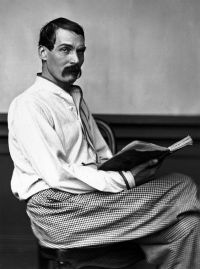
Portrait of Sir Richard Francis Burton Sir Richard Francis Burton Vikram and the Vampire: Classic Hindu Tales of Adventure…

Become a monarch, Vikram meditated deeply upon what is said of monarchs:—“A king is fire and air; he is both sun and moon; he is the god of criminal justice; he is the genius of wealth; he is the regent of water; he is the lord of the firmament; he is a powerful divinity who appears in human shape.” He reflected with some satisfaction that the scriptures had made him absolute, had left the lives and properties of all his subjects to his arbitrary will, had pronounced him to be an incarnate deity, and had threatened to punish with death even ideas derogatory to his honour.
Source: Gutenberg

Portrait of Sir Richard Francis Burton Sir Richard Francis Burton Vikram and the Vampire: Classic Hindu Tales of Adventure…

Having dismissed the devotee groaning under the burden, the Regent entered the apartments of his wives, and having summoned the beautiful Queen Dangalah Rani, gave her the fruit, and said, “Eat this, light of my eyes! This fruit—joy of my heart!—will make thee everlastingly young and beautiful.”
The pretty queen, placing both hands upon her husband’s bosom, kissed his eyes and lips, and sweetly smiling on his face—for great is the guile of women—whispered, “Eat it thyself, dear one, or at least share it with me; for what is life and what is youth without the presence of those we love?”
Source: Gutenberg

Portrait of Sir Richard Francis Burton Sir Richard Francis Burton Vikram and the Vampire: Classic Hindu Tales of Adventure…

And when, after a long and happy life spent in bringing the world under the shadow of one umbrella, and in ruling it free from care, the warrior king Vikram entered the gloomy realms of Yama, from whom for mortals there is no escape, he left behind him a name that endured amongst men like the odour of the flower whose memory remains long after its form has mingled with the dust.
Source: Gutenberg

Get perspective with Kwize: daily news enlightened by great literature