Shudra

Definition and stakes

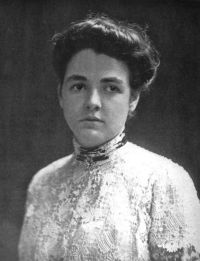
Portrait of Rabindranath Tagore Rabindranath Tagore,  Creative Unity

“ The predominance of the pursuit of success gives to society the [24] character of what we call Shudra in India. In fighting a battle, the Kshatriya, the noble knight, followed his honour for his ideal, which was greater than victory itself; but the mercenary Shudra has success for his object. The name Shudra symbolises a man who has no margin round him beyond his bare utility. The word denotes a classification which includes all naked machines that have lost their completeness of humanity, be their work manual or intellectual. ”
Source: Gutenberg

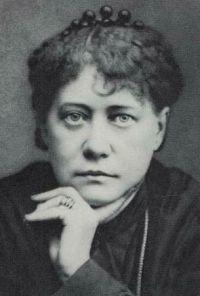
Portrait of H. P. Blavatsky H. P. Blavatsky,  From the Caves and Jungles of Hindostan

“ Only rich and high-born people are buried pompously. It is for them that the sandal-wood fires are lit after sunset; it is for them that mantrams are chanted, and for them that the gods are invoked. But Shudras must not listen on any account to the divine words dictated at the beginning of the world by the four Rishis to Veda Vyasa, the great theologian of Aryavarta. No fires for them, no prayers. As during his life a Shudra never approaches a temple nearer than seven steps, so even after death he cannot be put on the same level with the "twice-born." ”
Source: Gutenberg

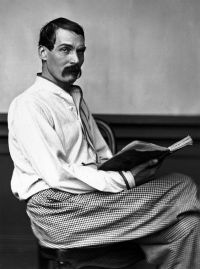
Portrait of Sir Richard Francis Burton Sir Richard Francis Burton,  Vikram and the Vampire; or, Tales of Hindu Devilry

“ Then the Baniya, having reflected, said to himself, ‘He who is acquainted with the Shastras is a Brahman, he who could shoot an arrow at the sound was [Pg 159] a Kshatriya or warrior, and he who made the cloth was a Shudra or servile. But the youth who understands the language of birds is of our own caste. To him, therefore, will I marry her.’ And accordingly he proceeded with the betrothal of his daughter. ”
Source: Gutenberg

Get perspective with Kwize: daily news enlightened by great literature