Summary

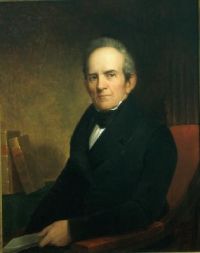
Portrait of Smith Thompson Smith Thompson Bank of Alexandria v. Swann — Opinion of the Court

The law, generally speaking, does not regard the fractions of a day; and although the demand of payment at the bank was required to be made during banking hours, it would be unreasonable, and against what the special verdict finds to have been the usage of the bank at that time, to require notice of non payment to be sent to the indorser on the same day.
Source: Wikisource

Portrait of Smith Thompson Smith Thompson Bank of Alexandria v. Swann — Opinion of the Court

The verdict expressly finds that no note drawn by Peake and indorsed by the defendant, as a note for 1400 dollars, was ever discounted, or offered for discount, at the said bank; but that all the entries in the books of the bank import the discount on the 23d day of June 1829, when this note was discounted, as a note so drawn and indorsed, for 1457 dollars, and for no other sum.
The object of the law is, that the party to the note, who is to be held responsible, shall have substantially a notice of its dishonour-sufficient notice to enable him to act for his own protection. This was done.
Source: Wikisource

Portrait of Smith Thompson Smith Thompson Bank of Alexandria v. Swann — Opinion of the Court

The court say in the case in Johnson, that it was a fact proper for the decision of the jury. In this case the jury have not found this fact. They say that the notary intended to refer to the note in question. But they do not say that the indorser knew that the notice alluded to the same note.
The knowledge of the indorser is the most material fact. The intention of the notary is of no moment; and in this case it is clear that he never intended to allude to a note of 1400 dollars.
Source: Wikisource

Get perspective with Kwize: daily news enlightened by great literature