Summary

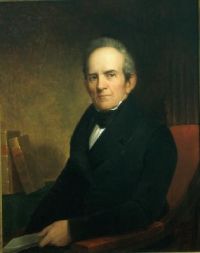
Portrait of Smith Thompson Smith Thompson Tompkins v. Wheeler — Opinion of the Court

Although the right and power of a debtor to give a preference to some of his bon a fide creditors, to the exclusion of other, has not been denied on the part of the complainant; yet, it has been urged, in argument, that such preferred creditors are no favorites in a court of chancery, where, it is said, equality is equity; and that a court of chancery will look narrowly into all the circumstances, and if it be found, that the deed is tainted in the smallest degree with fraud, it will be declared void.
Source: Wikisource

Portrait of Smith Thompson Smith Thompson Tompkins v. Wheeler — Opinion of the Court

That the debts of all the creditors preferred in the deed of trust are bon a fide debts, is fully established; not only by the proofs, but is admitted on the record, by an agreement which, among other things, states, 'that the genuineness of the debts provided for in Wheeler's assignment will not be contested or called in question on the argument.'
That a debtor has a legal right to prefer one or more of his creditors over others, when the transaction is bon a fide, is not an open question in this court.
Source: Wikisource

Portrait of Smith Thompson Smith Thompson Tompkins v. Wheeler — Opinion of the Court

It may be observed, in the first place, that there is no evidence of any deception practised by Wheeler to lull him to sleep, or procure any delay in issuing executions on the judgments. It was done in the ordinary course in judicial proceedings. And if the principle be sound, that a debtor may lawfully apply his property to the payment of the debts of such creditors as he may choose to prefer, he may certainly elect the time when it is to be done, so as to make it effectual. And such preference must necessarily operate to the prejudice of creditors not provided for
Source: Wikisource

Get perspective with Kwize: daily news enlightened by great literature