Summary

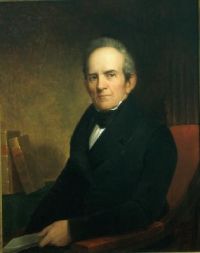
Portrait of Smith Thompson Smith Thompson Ventress v. Smith — Opinion of the Court

That if they believed that the slaves belonged to the estate of John Clark, and passed into the possession of his administrators, who embezzled and disposed of them in disregard of their duty as administrators, but the defendants' testator, Lovic Vetress, became an innocent purchaser of the slaves for a valuable consideration, without notice of the mal-administration of said Clark's estate in Alabama, then they should find a verdict for the defendant.
Source: Wikisource

Portrait of Smith Thompson Smith Thompson Ventress v. Smith — Opinion of the Court

For what reason or under what circumstances Elizabeth Ventress was appointed administratrix of Lovic Ventress, when the defendants were his executors, does not appear. But the court will not intend that it was without authority. Circumstances may readily be supposed to have existed, that would require the appointment of an administration for some special purpose. Whether she was a general administratrix, or only one with limited powers for some special purpose, does not appear.
Source: Wikisource

Portrait of Smith Thompson Smith Thompson Ventress v. Smith — Opinion of the Court

The order of sale expressly excepts the negroes. The sale was then not only without authority, but in express violation of the provisions of the statute. Such a sale cannot be supported upon any principles of law. In the case of the executors of Emos v. James (4 Mum. 194,) it was held by the court of appeals of Virginia, that the sale of a slave belonging to the estate of the testator by a person named in the will as one of the executors, but who, at the time of the sale, had not qualified or given the bond required by a statute of that state
Source: Wikisource

Get perspective with Kwize: daily news enlightened by great literature