Summary

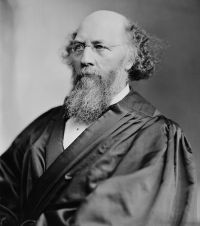
Portrait of Stephen Johnson Field Stephen Johnson Field Eastern Band of the Cherokee Indians v…

The ninth article provided that, for the benefit and comfort of the Indians, and for the prevention of injuries or oppressions on the part of the citizens or Indians, the United States should 'have the sole and exclusive right of regulating the trade with the Indians, and managing all their affairs in such manner as they think proper.' By this treaty the Cherokees were recognized as one people, composing one tribe or nation, but subject, however, to the jurisdiction and authority of the government of the United States, which could regulate their trade and manage all their affairs.
Source: Wikisource

Portrait of Stephen Johnson Field Stephen Johnson Field Eastern Band of the Cherokee Indians v…

If Indians in that state, or in any other state east of the Mississippi, wish to enjoy the benefits of the common property of the Cherokee nation, in whatever from it may exist, they must, as held by the court of claims, comply with the constitution and laws of the Cherokee nation, and be readmitted to citizenship as there provided. They cannot live out of its territory, evade the obligations and burdens of citizenship, and at the same time enjoy the benefits of the funds and common property of the nation.
Source: Wikisource

Portrait of Stephen Johnson Field Stephen Johnson Field Eastern Band of the Cherokee Indians v…

Although its articles are drawn in the form of a constitution for a separate civil government, they have never been recognized as a separate nation by the United States; no treaty has been made with them; they can pass no laws; they are citizens of that state, and bound by its laws. As well observed by the court of claims, in its exhaustive opinion, they have been in some matters fostered and encouraged by the United States, but never recognized as a nation, in whole or in part.
Source: Wikisource

Get perspective with Kwize: daily news enlightened by great literature