Summary

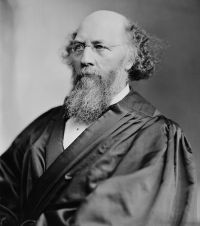
Portrait of Stephen Johnson Field Stephen Johnson Field Leavenworth Lawrence and Galveston Railroad Company v…

It would seem, therefore, clear that there was nothing in the character of the land as an Indian reservation which could prevent the operation of the grant of Congress, subject to the right of occupancy retained by the Indians; so that, when this right should be relinquished, the possession would inure to the grantee.
It is true that the United States, acting in good faith, could only acquire the reliquishment of the Indian right of occupancy by treaty
Source: Wikisource

Portrait of Stephen Johnson Field Stephen Johnson Field Leavenworth Lawrence and Galveston Railroad Company v…

The fee of the land was in the United States, with the right of occupation, under the treaty, in the Indians. Until this right was relinquished, the occupancy could not be disturbed by any power except that of the United States. The only right of Indian tribes to land anywhere within the United States is that of occupancy.
Source: Wikisource

Portrait of Stephen Johnson Field Stephen Johnson Field Leavenworth Lawrence and Galveston Railroad Company v…

The treaty of 1825, under which the lands were held, distinguishes between reservations to the Indians and reservations to the United States, and speaks of both in the same article (art. 2) .
The argument of the majority of the court on this head appears to me to defeat itself. The proviso, it is contended, excluded from the operation of the grant any of the lands occupied by the Indians: it would have been a great breach of faith, it is said, to apply the grant to any of those lands.
Source: Wikisource

Get perspective with Kwize: daily news enlightened by great literature