“ In a word, if you cannot get to the west of Lough Swilly you may be very well content with the east of it; and though much of infinite beauty and interest lies beyond, when you have seen and known Lough Swilly and its shores, and the people who live on them—that mixed race, Scot and Irish, lowland and highland, Protestant and Catholic, all neighbourly together—why, at least you will have had a very fair chance to know and love, not the Ulster that people rant about or rail at, but Ulster as it really is. ”
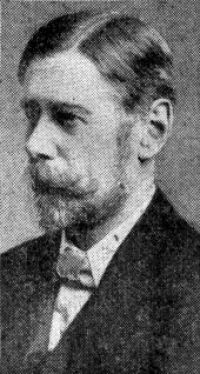
Stephen Lucius Gwynn
Summary
Stephen Lucius Gwynn’s Ulster is a vivid exploration of the region’s rugged coastline, rural landscapes, and intricate cultural fabric, merging natural description with historical reflection. Focusing on locales such as Donegal, Derry, and Inishowen, the work examines the interaction between Ulster’s Gaelic heritage, its diverse population of Protestants and Catholics, and the enduring patterns of coastal life—fishing, farming, and the struggle against economic adversity.
Through evocative imagery of cliffs, salmon fisheries, and ancient landmarks, Gwynn challenges stereotypes, presenting Ulster not as a site of conflict but as a place of resilience, deep history, and quiet beauty, where tradition and modernity coexist in the face of relentless natural and social forces.
Quotes from Ulster (Stephen Lucius Gwynn)
“ Goods and passengers travel together, and the real purpose of the whole is to give a market to the thousands of cottagers along that wild yet populous shore. What it means is that the coast fisherman who nets a salmon now can sell it for perhaps twopence a pound less than it will fetch in Billingsgate—tenpence, a shilling even, for summer fish. In the old days there was no one to give him more than perhaps a shilling for his whole fish. And in truth in the old days a Donegal peasant hardly conceived that he could be the legitimate possessor of a salmon. ”
“ This black basalt with the numberless fissures is a good rock for birds to build in, but a very bad and treacherous dependence for those who climb to pry after their nests. Beyond the Causeway comes a line of white chalk cliff, such as is familiar to all in the south of England, but very strange to us in Ireland; though the sea off the Antrim coast is too deep to have that opaline appearance—as though milk were spilt into it—which the Margate tripper knows. ”
