Nibelungenlied

Definition and stakes

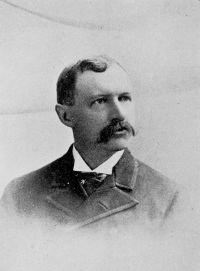
Portrait of Lewis Spence Lewis Spence Hero Tales and Legends of the Rhine

The victims of fate lay still. Sorely wept Dietrich and Etzel. So ended the high feast in death and woe. More is not to be said. Let the dead rest. Thus fell the Nibelungs, thus was accomplished the fate of their house!
The place of origin of the Nibelungenlied is much disputed, a number of scholars arguing for its Scandinavian genesis, but it may be said that the consensus of opinion among modern students of the epic is that it took its rise in Germany, along the banks of the Rhine, among the Frankish division of the Teutonic folk.
Source: Gutenberg

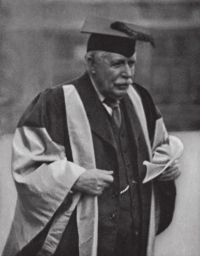
H. A. Guerber The Book of the Epic: The World's Great Epics Told in Story

There is, however, another poem called the Nibelungenklage, or the Lament of the Nibelungs, wherein Etzel, Dietrich, Hildebrand, Bishop Pilgrin, and the rest utter successive laments over the slain. Then the spoil of the Burgundians is sent back to Worms, where these lamentations are continued, each mourner reciting the deeds of the man whose fate he bewails. This poem is, however, greatly inferior to the real Nibelungenlied, and was evidently not composed by the same bard.
Source: Gutenberg

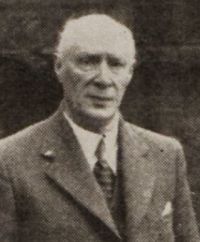
Portrait of George Hamlin Fitch George Hamlin Fitch Comfort Found in Good Old Books

Many variants there are of this epic in the literature of Norway, Sweden and Iceland, but The Nibelungenlied remains as the model of these tales of the heroism of men and the quarrels of the gods. Wagner has used these materials with surpassing skill, and no one can hear such operas as Siegfried, The Valkyrie, and Gotterdammerung without receiving a profound impression of the reality and the power of these old myths and legends.
Source: Gutenberg

Get perspective with Kwize: daily news enlightened by great literature