“ Yet filled with fear was Kriemhild / when she beheld how armed they stood. 1030 How great soe'er her sorrow / and stern the grief she bore, Yet for the Nibelungen / feared she death full sore From her brother's warriors, / and bade them hold their wrath. She gave them kindly warning / as friend to friend beloved doth. 1031 Then spake she rich in sorrow: / "What thing beginnest thou, Good my lord Siegmund? / This case thou dost not know. In sooth hath here King Gunther / so many a valiant knight, Lost are ye all together, / will ye the thanes withstand in fight." ”
Nibelungen
Definition and stakes
The theme of “Nibelungen” has been addressed by authors such as Ludwig Nohl, Mary Schell Hoke Bacon, Ferdinand Schmidt, Anne C. Lynch Botta and Thomas Bulfinch. It is often associated with terms like Siegfried, Kriemhild, Gunther, Rhine and Nibelungenlied.
Quotes about “Nibelungen”
Mary Schell Hoke Bacon, Operas Every Child Should Know
“ Hagen, the half Gibichung, half Nibelung, thought of nothing but winning the Rheingold for the Nibelungs. He had sent Gunther after another's bride, by means of an evil enchantment, and when she was brought to the hall, she would certainly be wearing the ring. Thus the prize of the Nibelungen would once more be within the grasp of an evil race, and that which might be a power for good if rightly used, would become a power for evil and be badly abused. ”
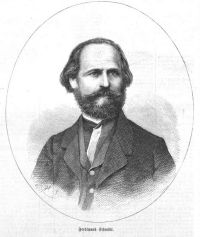 Ferdinand Schmidt,
The Nibelungs
(1906)
Ferdinand Schmidt,
The Nibelungs
(1906)
“ The Nibelungen Lied is to be regarded, therefore, as a collection of ballads skilfully united so as to form a connected story. Its hero is Siegfried, who possessed the Nibelung hoard, which he won in Norway. Siegfried wooed Brunhild for Günther, King of Burgundy, and married the king’s sister, Kriemhild. He was treacherously slain by Hagen and the hoard was sunk in the Rhine. Kriemhild subsequently was married to Etzel (Attila) , King of the Huns, and slew Hagen after he had been overcome in combat, but lost her own life at the hands of the “ancient,” Hildebrand. ”