Rheingold

Definition and stakes

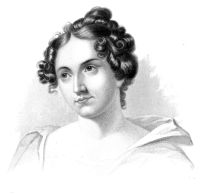
Mary Schell Hoke Bacon,  Operas Every Child Should Know

“ The Rhein-daughters have lost their gold. It has been stolen by a Nibelung, and with the golden treasure he can rule the world. The bargain with the Fates was: he who should forswear love forever would be able to make of the Rheingold a magic ring which would give him power over all the earth and over the Eternals as well. Alberich has done this and has stolen the gold. ”
Source: Gutenberg

R. A. Streatfeild,  The Opera (1907)

“ Donner, the god of thunder, now ascends a cliff, and strikes the rock with his hammer. Thunder rolls and lightning flashes, the dark clouds are dispelled, revealing a rainbow bridge thrown across the chasm, over which the gods solemnly march to Valhalla, while from far below rise the despairing cries of the Rhine-maidens lamenting their lost treasure.
'Das Rheingold' is conspicuous among the later works of Wagner for its brevity and concentration. Although it embraces four scenes, the music is continuous throughout, and the whole makes but one act.
”
Source: Gutenberg

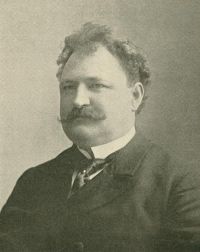
Portrait of Henry Edward Krehbiel Henry Edward Krehbiel,  Studies in the Wagnerian Drama

“ Wagner's "Ring des Nibelungen" is not an idle fairy-tale, the offspring of a mind working with fanciful material amid the environment of the nineteenth century. It is a tragedy Hellenic in its scope and proportions, dealing with one of the great problems of human existence, reflecting the operations of the quickened mind and conscience of humanity in its impressionable childhood.
"Das Rheingold" is the prologue to a tragedy which has not only the dimensions, but also the aim, of a Greek trilogy. This conception of its dignity greatly widens the significance of its few incidents.
”
Source: Gutenberg

Get perspective with Kwize: daily news enlightened by great literature