Summary

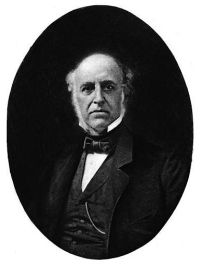
Portrait of Thomas Bulfinch Thomas Bulfinch The Age of Fable: — XLI. The Druids… (1855)

The mistletoe is a parasitic plant, and is not always nor often found on the oak, so that when it is found it is the more precious.
The Druids were the teachers of morality as well as of religion. Of their ethical teaching a valuable specimen is preserved in the Triads of the Welsh Bards, and from this we may gather that their views of moral rectitude were on the whole just, and that they held and inculcated many very noble and valuable principles of conduct. They were also the men of science and learning of their age and people.
Source: Wikisource

Portrait of Thomas Bulfinch Thomas Bulfinch The Age of Fable: — XLI. The Druids… (1855)

The classical (Roman) writers affirm that they offered on great occasions human sacrifices; as for success in war or for relief from dangerous diseases. Cæsar has given a detailed account of the manner in which this was done. "They have images of immense size, the limbs of which are framed with twisted twigs and filled with living persons. These being set on fire, those within are encompassed by the flames." Many attempts have been made by Celtic writers to shake the testimony of the Roman historians to this fact, but without success.
The Druids observed two festivals in each year.
Source: Wikisource

Portrait of Thomas Bulfinch Thomas Bulfinch The Age of Fable: — XLI. The Druids… (1855)

The Druidical system was at its height at the time of the Roman invasion under Julius Caesar. Against the Druids, as their chief enemies, these conquerors of the world directed their unsparing fury. The Druids, harassed at all points on the mainland, retreated to Anglesey and Iona, where for a season they found shelter and continued their now dishonored rites.
Source: Wikisource

Get perspective with Kwize: daily news enlightened by great literature