Summary

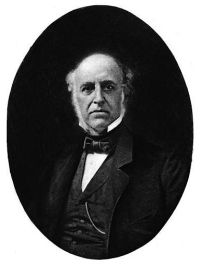
Portrait of Thomas Bulfinch Thomas Bulfinch The Age of Fable: — XXIII. Achelous and Hercules… (1855)

They cannot in the course of nature live much longer, and who can feel like them the call to rescue the life they gave from an untimely end?" But the parents, distressed though they were at the thought of losing him, shrunk from the call. Then Alcestis, with a generous self- devotion, proffered herself as the substitute. Admetus, fond as he was of life, would not have submitted to receive it at such a cost; but there was no remedy. The condition imposed by the Fates had been met, and the decree was irrevocable. Alcestis sickened as Admetus revived, and she was rapidly sinking to the grave.
Source: Wikisource

Portrait of Thomas Bulfinch Thomas Bulfinch The Age of Fable: — XXIII. Achelous and Hercules… (1855)

Penelope is another of those mythic heroines whose beauties were rather those of character and conduct than of person. She was the daughter of Icarius, a Spartan prince. Ulysses, king of Ithaca, sought her in marriage, and won her, over all competitors. When the moment came for the bride to leave her father's house, Icarius, unable to bear the thoughts of parting with his daughter, tried to persuade her to remain with him, and not accompany her husband to Ithaca. Ulysses gave Penelope her choice, to stay or go with him. Penelope made no reply, but dropped her veil over her face.
Source: Wikisource

Portrait of Thomas Bulfinch Thomas Bulfinch The Age of Fable: — XXIII. Achelous and Hercules… (1855)

ADMETUS AND ALCESTIS
Æsculapius, the son of Apollo, was endowed by his father with such skill in the healing art that he even restored the dead to life. At this Pluto took alarm, and prevailed on Jupiter to launch a thunderbolt at Æsculapius. Apollo was indignant at the destruction of his son, and wreaked his vengeance on the innocent workmen who had made the thunderbolt.
Source: Wikisource

Get perspective with Kwize: daily news enlightened by great literature