Summary

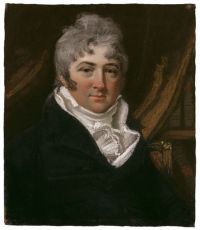
Portrait of Thomas Morton Thomas Morton The New English Canaan of Thomas Morton with Introductory Matter and Notes

In the whole record of the early Plymouth settlement, from the first skirmish with the Cape Cod savages, in December, 1620, to the Wessagusset killing, there is no mention of a gun being seen in an Indian’s hands. On the contrary, the savages stood in mortal terror of fire-arms. But now at last it seemed as if Morton was about not only to put guns in their hands, but to instruct them in their use.
Source: Gutenberg

Portrait of Thomas Morton Thomas Morton The New English Canaan of Thomas Morton with Introductory Matter and Notes

Yet do they hold the immortality of the never-dying soul, that it shall passe to the South-west Elysium, concerning which their Indian faith jumps much with the Turkish Alchoran, holding it to be a kind of Paradise, wherein they shall everlastingly abide, solacing themselves in odoriferous Gardens, fruitfull corn-fields, green meadows, bathing their hides in the coole streams of pleasant Rivers, and shelter themselves from heat and cold in the sumptuous Pallaces framed by the skill of Natures curious contrivement.
Source: Gutenberg

Portrait of Thomas Morton Thomas Morton The New English Canaan of Thomas Morton with Introductory Matter and Notes

Besides, they saw they should keep no servants, for Morton would entertain any, how vile soever, and all the scum of the country, or any discontents, would flock to him from all places, if this nest was not broken; and they should stand in more fear of their lives and goods (in short time) from this wicked and debauched crew than from the savages themselves.” [44]
Thus, in the only branches of trade the country then afforded, Morton was not only pressing all the other settlers hard, but he was pressing them in an unfair way.
Source: Gutenberg

Get perspective with Kwize: daily news enlightened by great literature