Summary

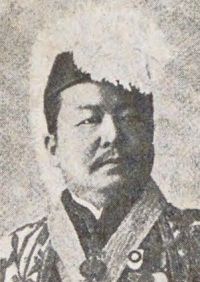
Portrait of Tōkichi Masao Tōkichi Masao The Sources of Ancient Siamese Law (1905)

The forgoing texts which have been quoted somewhat at random from the Hindu code of Manu and the ancient laws of Siam will, it is hoped, have been sufficient to show that the ancient laws of Siam are of Hindu origin and belong to that group of laws which may be called the Hindu law system—a proposition which is admitted and taken for granted by every one, but which curiously enough no one has ever undertaken to prove before.
Source: Wikisource

Portrait of Tōkichi Masao Tōkichi Masao The Sources of Ancient Siamese Law (1905)

Sir John Bowring has said in his treatise on Siam that "legal reasons for excluding witnesses are so many in Siam that they would appear seriously to interfere with the collection of evidence." Here again is another illustration of the close analogy between the Hindu law and the ancient Siamese laws. The code of Manu says as follows: "Those must not be made witnesses who have an interest in the suit, nor familiar friends, companions, and enemies of the parties, nor men formerly convicted of perjury, nor persons suffering under severe illness, nor those tainted by mortal sin.
Source: Wikisource

Portrait of Tōkichi Masao Tōkichi Masao The Sources of Ancient Siamese Law (1905)

India, with its multitudes of what once were independent kingdoms and principalities, some of one religious profession, some of another, but now all under the British administration, at the present day presents a unique example of a country in which the British courts administer the Brahman, the Buddhist, and the Mohammedan laws according to the religious profession of the litigant.
Source: Wikisource

Get perspective with Kwize: daily news enlightened by great literature