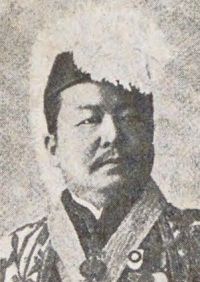
Tōkichi Masao

Biographical details

Portrait of Tōkichi Masao Tōkichi Masao,  The New Penal Code of Siam (1908)

“ One great defect of this system is that it is impossible to define crimes, delicts and contraventions in such a way as to distinguish them logically one from another. For, what logical difference is there between a crime and a delict? There is none. They are both offences. It is no wonder then that the French Penal Code simply begs the question by saying that a crime is an offence liable to afflictive or infamous punishments or to both; a delict is an offence liable to correctional punishments, and a contravention is an offence liable to police punishments. ”
Source: Wikisource

Portrait of Tōkichi Masao Tōkichi Masao,  The New Penal Code of Siam (1908)

“ Of course, the English system of visiting each offence with punishment does not mean that where a person violates several provisions of the law by one and the same act he is to be punished separately for each violation of the law, nor does it mean that where a person commits an offence which is composed of many parts, any of which constitutes a separate offence, he is to be punished separately for each of those many parts. ”
Source: Wikisource

Portrait of Tōkichi Masao Tōkichi Masao,  The Sources of Ancient Siamese Law (1905)

“ The laws of China and Corea are examples of the Chinese law system. The ancient laws of Japan belonged to the Chinese law system, but the present laws may, on the whole, be said to belong to that branch of the Roman law system which may be called the German system, though they have taken a great deal from the English law system also. Considering the geographical proximity of Siam to India and the fact that in ancient times Siam was so much under the influence of Indian civilization, one naturally expects that the ancient laws of Siam should belong to the Hindu law system. ”
Source: Wikisource

Get perspective with Kwize: daily news enlightened by great literature