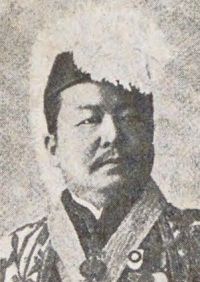
Tōkichi Masao

Tōkichi Masao

Summary

Portrait of Tōkichi Masao Tōkichi Masao The New Penal Code of Siam (1908)

One great defect of this system is that it is impossible to define crimes, delicts and contraventions in such a way as to distinguish them logically one from another. For, what logical difference is there between a crime and a delict? There is none. They are both offences. It is no wonder then that the French Penal Code simply begs the question by saying that a crime is an offence liable to afflictive or infamous punishments or to both; a delict is an offence liable to correctional punishments, and a contravention is an offence liable to police punishments.
Source: Wikisource

Portrait of Tōkichi Masao Tōkichi Masao The New Penal Code of Siam (1908)

Of course, the English system of visiting each offence with punishment does not mean that where a person violates several provisions of the law by one and the same act he is to be punished separately for each violation of the law, nor does it mean that where a person commits an offence which is composed of many parts, any of which constitutes a separate offence, he is to be punished separately for each of those many parts.
Source: Wikisource

Portrait of Tōkichi Masao Tōkichi Masao The New Penal Code of Siam (1908)

The system of maximum and minimum punishments adopted in the French Penal Code is one of the reflections of the spirit of the period following the French Revolution. It is one of those things that were adopted at that period to safeguard the people against the tyranny of the officials. While the English system is no doubt a most excellent system for England, it does not follow, necessarily, that it will prove itself to be so for any other country
Source: Wikisource

Get perspective with Kwize: daily news enlightened by great literature