“ What matters what happens to an old woman like me? It is not about myself, it is about Natalie that I have come to you. Ah, the dear, beautiful child!—how can one see her unhappy, and not try to do something? Why should she be unhappy? She is young, beautiful, loving; my dear friend, do you wonder that she has a sweetheart?—and one who is so worthy of her, too: one who is not selfish, who has courage, who will be kind to her. Then I said to myself, 'Ah, what a pity to have father and daughter opposed to each other!' Why might not one step in and say, 'Come, and be friends. ”
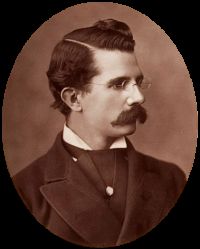
William Black
Summary
William Black’s Sunrise is a novel centered on Natalie Berezolyi, a young woman caught between her father’s strict expectations and her own yearning for love and independence. Set against a backdrop of emotional upheaval, the narrative examines themes of family discord, personal sacrifice, and the struggle between obligation and desire, as revealed through Natalie’s relationships with figures like Brand, her lover, and Calabressa, a guiding influence.
The text investigates the moral and emotional challenges of choosing between love and family allegiance, ultimately portraying resilience and the lasting strength of human bonds.
Quotes from Sunrise (William Black)
“ If I could only forget Lind; if I could forget why it was that I had to go to America, I should think far less of the pain of separation. If I could go to Natalie, and say, 'Look at what we must do, for the sake of something greater than our own wishes and dreams,' then I think I could bid her good-bye without much faltering; but when you know that it is unnecessary—that you are being made the victim of a piece of personal revenge—how can you look forward with any great enthusiasm to the new life that lies before you? That is what troubles me, Evelyn. ”
“ At two-and-twenty love is reckless, and glib of speech; it takes little heed of the future; the light straw-flame, for however short a period, leaps up merrily enough. But at two-and-thirty it is more alive to consequences; it is not the present moment, but the duration of life, that it regards; it seeks to proceed with a sure foot. And at this crisis, in the midst of all this irresolution, that was unspeakably vexatious to a man of his firm nature, Brand demanded of himself his utmost power of self-control. He would not imperil the happiness of his life by a hasty, importunate appeal. ”
