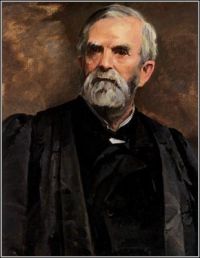
 William Burnham Woods,
Mobile Railway Company v. Jurey…
William Burnham Woods,
Mobile Railway Company v. Jurey…
“ The legal title is in the insured, and the carrier is bound to respond for all the damages sustained by the breach of his contract. If only part of the loss has been paid by the insurer, the insured is entitled to the residue. How the money recovered is to be divided between the insured and the insurer is a question which interests them alone, and in which the common carrier is not concerned. The payment of a total loss by the insurer works an equitable assignment to him of the property, and all the remedies which the insured had against the carrier for the recovery of its value. ”
