Common carrier

Definition and stakes

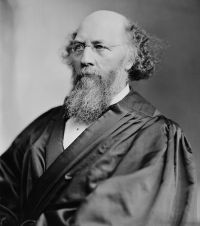
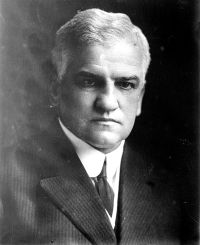
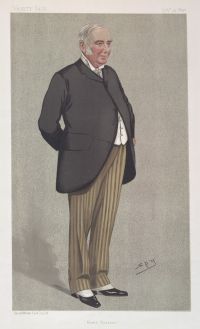
Portrait of George Findlay George Findlay,  The Working and Management of an English Railway (1889)

“ In considering railway law, nearly every thing appears to turn upon the great question of what constitutes a "common carrier," and if this point is once clearly established in a given case, the rights, liabilities, and immunities of a common carrier are pretty clearly defined by the authorities. We learn, then, that a "common carrier" is one who undertakes the conveyance of goods or passengers for hire or reward, and therefore stands in the light of a bailee. ”

Source: Wikisource

J. Y. Brinton,  The Law of the Sea

“ The common carrier is one who offers to carry for all who may choose to employ him. The private carrier is one who transports by virtue of a special agreement. The private carrier appears more frequently in water carriage than in land transportation. Most ships, for example, carrying bulk cargoes by special arrangement are private carriers. Most passenger ships are common carriers of passengers. Ships carrying miscellaneous or package freight, and running over regular routes, are common carriers. ”
Source: Gutenberg

Horace Gray,  Liverpool and Great Western Steam Company v…

“ A common carrier may become a private carrier, or a bailee for hire, when, as a matter of accommodation or special engagement, he undertakes to carry something which it is not his business to carry. But when a carrier has a regularly established business for carrying all or certain articles, and especially if that carrier is a corporation created for the purpose of the carrying trade, and the carriage of the articles is embraced within the scope of its chartered powers, it is a common carrier, and a special contract about its responsibility does not divest it of that character. ”
Source: Wikisource

Get perspective with Kwize: daily news enlightened by great literature