Summary

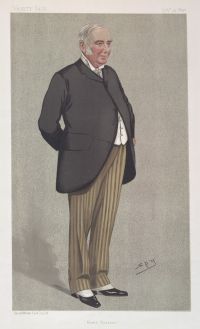
Portrait of George Findlay George Findlay The Working and Management of an English Railway (1889)

The railway, in its present phase of development, enters so intimately into the social life of the community in its every detail, and has become so potent a factor in its every movement and operation, whether of business or of pleasure, that it must clearly be material for every individual to know something of the great agency which does so much for his happiness and welfare, and to realise clearly what are its obligations and liabilities towards himself, and what he has a right to expect from it.
Source: Wikisource

Portrait of George Findlay George Findlay The Working and Management of an English Railway (1889)

There is, in fact, a great tendency to regard railway companies as monopolists—a reproach to which, in these days of unrestricted competition, few of them are open—and to bring to bear every sort of influence to exact new concessions without any regard to the profit derived, or the loss incurred, in carrying on the business. Thus, while the travelling public benefit, the railway shareholder finds himself filling the doubtless honourable, but not always profitable, rôle of a philanthropist, investing his capital for the advantage of the community at large.
Source: Wikisource

Portrait of George Findlay George Findlay The Working and Management of an English Railway (1889)

Thus the signalman, confined to his cabin, perhaps in some lonely cutting, far from any station or town, during the solitary hours of the night, would see a fog approach and blot out his signals, and, not daring to leave his post to call assistance, and knowing that the nearest fog-signalman lived a mile, or perhaps more, from the spot, he was frequently placed in a position of great anxiety and perplexity.
Source: Wikisource

Get perspective with Kwize: daily news enlightened by great literature