Summary

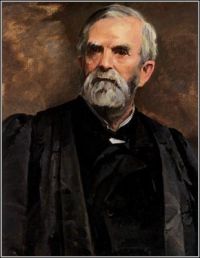
Portrait of William Burnham Woods William Burnham Woods Sturges v. Carter — Opinion of the Court

There is no rule of interpretation by which the statute can be held to apply to corporations who list only a small part of their property for taxation in Ohio. If the legislature had intended to allow an exemption in such a case, it could and would have expressed that purpose by words not admitting of doubt. As the shares of the plaintiff in error in the Western Union Telegraph Company were not only not expressly, but not even by fair implication, exempted from taxation, we are of opinion that the tax complained of was authorized by law.
Source: Wikisource

Portrait of William Burnham Woods William Burnham Woods Sturges v. Carter — Opinion of the Court

The findings of fact do not show the rate of taxation for any one of the four years for which the taxes were recovered, and it is impossible for us to say that anything was included in the judgment but the simple taxes. It is true that the court said in its conclusion of law that judgment would be rendered for the tax, with the damages prescribed by statute, and interest and costs.
Source: Wikisource

Portrait of William Burnham Woods William Burnham Woods Sturges v. Carter — Opinion of the Court

Each individual in this state may hold exempt from taxation personal property of any description of which such individual is the actual owner, not exceeding fifty dollars in value. * * * No person shall be required to include in his statement, as a part of the personal property, moneys, credits, investments in bonds, stocks, joint-stock companies, or otherwise, which he is required to list, any share or portion of the capital stock or property of any company or corporation which is required to list or return its capital and property for taxation in this state.' Swan & C. Rev.
Source: Wikisource

Get perspective with Kwize: daily news enlightened by great literature