Summary

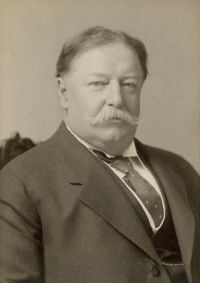
Portrait of William Howard Taft William Howard Taft Freund v. United States — Opinion of the Court

At the time the contract was executed the department had formed the purpose to thrust on the contractors this burdensome route, but it did not advise them of it until 10 days before July 1st, and, indeed, did not give them the exact schedule until the day before they were to begin it. Then the only course open to them was either to engage the old contractor's equipment at a heavy loss, or throw up the original contract and run the risk of the government's reletting at a higher bid, and charging the possible heavy difference in cost to it against them on their bond for a 5-year contract.
Source: Wikisource

Portrait of William Howard Taft William Howard Taft Freund v. United States — Opinion of the Court

The radical change made in the character of the work to be done on the substituted route and the wholly inadequate price to be paid for it as found by the Court of Claims make the injustice just as clear as in the cited cases. We hold that the substitution of the new route and schedule for the one bid upon was not within the terms of the contract.
Source: Wikisource

Portrait of William Howard Taft William Howard Taft Freund v. United States — Opinion of the Court

The Post Office Department, relying on certain clauses in the contract, and upon a notice given to bidders, substituted another route and ordered the contractor to begin performance on July 1st, at what the department held to be the same rate per mile of service. The contractors protested, but threatened with suit upon their bond, performed the service and accepted periodical payments on the new route until October 28, 1912, the date of occupying the new post office, when the route bid upon and contracted for was initiated and the contractors did the work under it till the term ended.
Source: Wikisource

Get perspective with Kwize: daily news enlightened by great literature