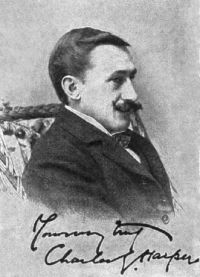
Mileage, the measure of distance traveled, has long served as a lens through which writers examine human movement, endurance, and the interplay between physical and metaphorical journeys. Authors such as Stewart Edward White reflect on the tangible slowness of horse travel, while Charles G. Harper contrasts the adaptability of pedestrian routes with the inflexibility of standardized progress.
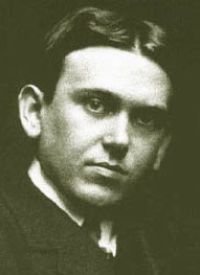
Henry Louis Mencken traces the term’s etymological origins, noting its 18th-century use by Franklin, and various texts in Popular Science Monthly highlight its role in quantifying human and mechanical achievements. From trail miles that defy linear logic to the bureaucratic calculations of railway duties, mileage encapsulates both the practical and poetic aspects of displacement, revealing how distance shapes experience as much as it records it.
 Stewart Edward White,
Camp and Trail
Stewart Edward White,
Camp and Trail