Displacement, an unconscious defense mechanism in psychology, involves redirecting emotions or desires from their original source to a safer outlet. Sigmund Freud first described it, highlighting its role in dreams and neuroses, such as redirecting workplace frustration toward family members. Jacques Lacan later associated displacement with metonymy, underscoring its linguistic and symbolic aspects.
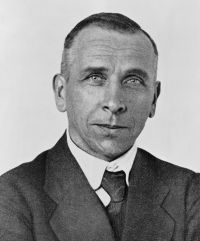
Scholars like Lee J. Levinger examined its expressions in social interactions, while Alfred Wegener employed the concept in geological theories. These diverse applications emphasize displacement’s dual function—as both a psychological process and a broader metaphor for transformation—demonstrating how human and natural systems adapt through evolving priorities and shifting loyalties.