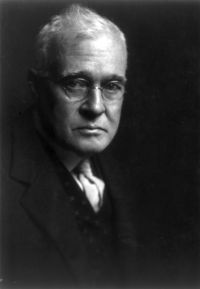
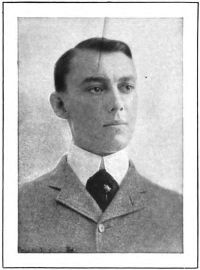
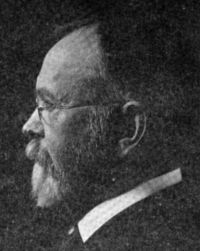
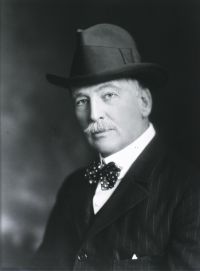
Paranoia, a thought process characterized by anxiety, suspicion, and unfounded beliefs of being persecuted, has long fascinated both psychological and literary inquiry. Clinicians such as Sigmund Freud associated it with repressed conflicts, while authors like P.G. Wodehouse humorously referred to it as a "well-known form of insanity.
" Researchers such as Everett Dean Martin examined its withdrawal of libido and preoccupation with delusional systems, and Austin O’Malley outlined its evolution from hypochondria to grandiose illusions. These differing viewpoints—ranging from clinical analysis to literary imagery—highlight paranoia as a multifaceted interaction of psychological, social, and existential pressures, underscoring its lasting significance in the human experience.
 P. G. Wodehouse,
Something New — Chapter IX
(1915)
P. G. Wodehouse,
Something New — Chapter IX
(1915)