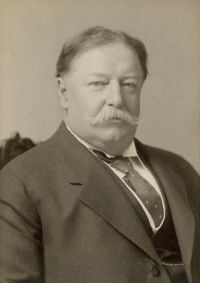
 William Howard Taft,
Woodbridge v. United States — Opinion of the Court
William Howard Taft,
Woodbridge v. United States — Opinion of the Court
“ The importance in working out the purpose of Congress of keeping the inventor's monopoly within the term for which the patent is granted is thus shown to be capital. Any practice by the inventor and applicant for a patent through which he deliberately and without excuse postpones beyond the date of the actual invention, the beginning of the term of his monopoly, and thus puts off the free public enjoyment of the useful invention, is an evasion of the statute and defeats its benevolent aim. ”
