Summary

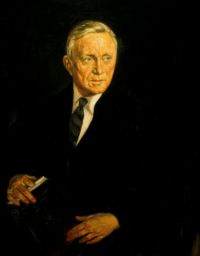
Portrait of William O. Douglas William O. Douglas Crooker v. California — Dissent

While the witness is in the custody of the interrogators, as a practical matter, he is subject to their uncontrolled will. * * * Nothing would be better calculated to prevent misuse of official power in dealing with a witness or suspect than the scrutiny of his lawyer or friends or even of disinterested bystanders.'
The demands of our civilization expressed in the Due Process Clause require that the accused who wants a counsel should have one at any time after the moment of arrest.
Source: Wikisource

Portrait of William O. Douglas William O. Douglas Crooker v. California — Dissent

The third degree flourishes only in secrecy. One who feels the need of a lawyer and asks for one is asking for some protection which the law can give him against a coerced confession. No matter what care is taken innocent people are convicted of crimes they did not commit, see Borchard, Convicting the Innocent (1932) ; Frank and Frank, Not Guilty (1957) . We should not lower the barriers and deny the accused any procedural safeguard against coercive police practices. [1] The trial of the issue of coercion is seldom helpful. Law officers usually testify one way, the accused another.
Source: Wikisource

Get perspective with Kwize: daily news enlightened by great literature