Summary

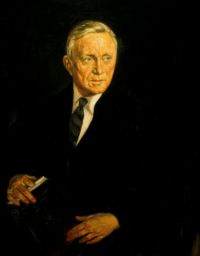
Portrait of William O. Douglas William O. Douglas Jacobs v. New York — Dissent

In No. 660, appellants' film and motion picture equipment were seized at the time of their arrests. They argue that at the conclusion of this proceeding they can bring an action to recover possession of the film and equipment. If their convictions are allowed to stand, along with the holding that the film is obscene, the film and equipment will be subject to forfeiture. They also argue that the department of licenses may suspend their motion picture theater license on the ground that they have shown obscene pictures.
Source: Wikisource

Portrait of William O. Douglas William O. Douglas Jacobs v. New York — Dissent

The in terrorem effect of denying review to cases such as these because sentences have been suspended or short sentences served is obvious. Sentences for violations of obscenity statutes are often suspended and generally short. If those convicted cannot obtain ultimate review of such convictions, merely because of the shortness of the sentences and the slowness of the judicial process, many will choose to comply with what may be an invalid statute. Many may steer wide and refrain from showing or selling protected material.
Source: Wikisource

Get perspective with Kwize: daily news enlightened by great literature