Summary

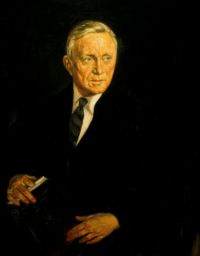
Portrait of William O. Douglas William O. Douglas Paul v. United States — Opinion of the Court

The California policy defeats the command to federal officers to procure supplies at the lowest cost to the United States by having a state officer fix the price on the basis of factors not specified in the federal law. Moreover, when the supply contract is negotiated because 'it is impracticable to obtain competition,' to use the statutory words, [18] it is the state agency, not the federal procurement officer and the seller, that determines the price provisions of the contract, if state policy prevails.
Source: Wikisource

Portrait of William O. Douglas William O. Douglas Paul v. United States — Opinion of the Court

We have said enough to show that the Regulation does more than authorize procurement officers to negotiate for lower rates. It directs that negotiations or, wherever possible, advertising for bids shall reflect active competition so that the United States may receive the most advantageous contract.
While the federal procurement policy demands competition, the California policy, as respects milk, effectively eliminates competition.
Source: Wikisource

Portrait of William O. Douglas William O. Douglas Paul v. United States — Opinion of the Court

If I am right in my view of the federal procurement law, a finding that state regulation was imposed before these military installations became federal enclaves within the scope of the constitutional provision would mean that all sales of milk at issue in this case, regardless of the source of funds, would be subject to the legislation which California has validly enacted to stabilize and make economically sound the business of producing and marketing a commodity vital to the health and welfare of her people.
Source: Wikisource

Get perspective with Kwize: daily news enlightened by great literature