Summary

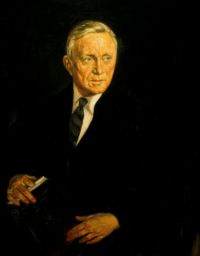
Portrait of William O. Douglas William O. Douglas United States v. Johnson (390 U.S. 563…

Outside hoodlums are charged with the conspiracy; and the history of federal law, as applicable to them, is clear. 18 U.S.C. § 241 is derived from the Enforcement Act of 1870, § 6, 16 Stat. 141, and, as noted, protects the citizen 'in the free exercise or enjoyment of any right or privilege secured to him by the Constitution or laws of the United States.' The right to service in a restaurant is such a 'right,' at least by virtue of the 1964 Act.
Source: Wikisource

Portrait of William O. Douglas William O. Douglas United States v. Johnson (390 U.S. 563…

The defendants, who were outsiders, not connected with the restaurant, are charged with having used violence against these Negroes for having received service at the restaurant, the purpose of the conspiracy being in part 'to discourage them and other Negro citizens from seeking service' there 'on the same basis as white citizens.'
The facts are not developed because the District Court granted a motion to dismiss the indictment on the ground that s 207 (b) of the Act [1] makes the provision for relief by injunction the exclusive remedy under the Act.
Source: Wikisource

Portrait of William O. Douglas William O. Douglas United States v. Johnson (390 U.S. 563…

A like remedy is available to the Attorney General by reason of § 206 (a) . But as we read the Act, the exclusive-remedy provision of § 207 (b) was inserted only to make clear that the substantive rights to public accommodation defined in § 201 and § 202 are to be enforced exclusively by injunction. Proprietors and owners are not to be prosecuted criminally for mere refusal to serve Negroes. But the Act does not purport to deal with outsiders
Source: Wikisource

Get perspective with Kwize: daily news enlightened by great literature