Summary

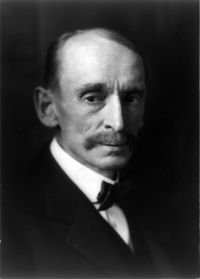
Portrait of William R. Day William R. Day City of Minneapolis v. Minneapolis Street Railway Company…

In construing this section we must bear in mind that the company then had, as we have heretofore said, a contract upon the subject of fares, which limited the city in its right to regulate the same to a reduction not below 5 cents per passenger upon any one continuous line. It needs no argument to demonstrate that the right to charge passenger fares is of the very essence of the contract, essential to the operation and success of the enterprise.
Source: Wikisource

Portrait of William R. Day William R. Day City of Minneapolis v. Minneapolis Street Railway Company…

That the use of other motive power might be developed in the progress of street railway operation, we think, was clearly indicated in the ordinance itself. For while animal or pneumatic power is named, it is provided that no propelling power shall be used after it shall be proved a public nuisance, and that the company might connect with other street railroads upon which power is used similar to that authorized to be used by street railways by the city council, but steam-power cars, such as are in common use, should not be used upon the city tracks, unless so authorized by the city council.
Source: Wikisource

Portrait of William R. Day William R. Day City of Minneapolis v. Minneapolis Street Railway Company…

We may note in this connection that the mere fact that a contract may extend beyond the term of the life of a corporation does not destroy it. This principle was recognized by this court in Detroit v. Detroit Citizens' Street R. Co. 184 U.S. 368, 46 L. ed. 592, 22 Sup. Ct. Rep. 410, in which it was held that a city ordinance granting the use of the streets of the city for a term which would extend the grant for sixteen years beyond the life of the corporation did not invalidate it.
Source: Wikisource

Get perspective with Kwize: daily news enlightened by great literature