Summary

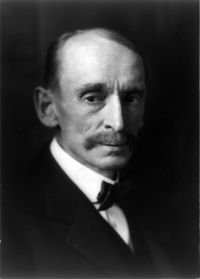
Portrait of William R. Day William R. Day Columbus Railway Power Light Company v…

We are unable to find here the intervention of that superior force which ends the obligation of a valid contract by preventing its performance. It may be, and taking the allegations of the bill to be true, it undoubtedly is, a case of a hard bargain. But equity does not relieve from hard bargains simply because they are such. It may be that the efficiency of the service and fairness in dealing with the company which performs such important and necessary service ought to require an advance in rates; such was the strongly announced opinion of the War Labor Board.
Source: Wikisource

Portrait of William R. Day William R. Day Columbus Railway Power Light Company v…

It certainly was not intended to question the principle, frequently declared in decisions of this court, that if a party charge himself with an obligation possible to be performed, he must abide by it unless performance is rendered impossible by the act of God, the law, or the other party. Unforeseen difficulties will not excuse performance. Where the parties have made no provision for a dispensation, the terms of the contract must prevail.
Source: Wikisource

Portrait of William R. Day William R. Day Columbus Railway Power Light Company v…

That a large majority of the employes of these shops do and must depend upon the street railway service of the company as their means of transportation to and from their places of employment; and in said area is located the Columbus Barracks, in which are quartered more than 100,000 recruits per annum, who also are dependent upon said street railway service. That the discontinuance or impairment of the plaintiff's street railway service would cause irreparable harm to the government of the United States, to the city of Columbus and to all persons dependent upon the service.
Source: Wikisource

Get perspective with Kwize: daily news enlightened by great literature