Summary

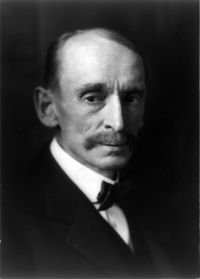
Portrait of William R. Day William R. Day Pennsylvania Company v. Towers…

It is a known fact that such rates exist upon all railways entering large cities, and have usually been established by the companies voluntarily in the interest of themselves and the public. The service is different in its nature from the other passenger service. It is so universal, of such large proportion, has become so necessary to the public that it cannot be said that the fixing of reasonable and just rates for it is unusual or unreasonable, or the granting of a benefit to individuals and not for convenience to the public.
Source: Wikisource

Portrait of William R. Day William R. Day Pennsylvania Company v. Towers…

In our opinion the rate for a single fare for passengers generally may be varied so as to fit the particular and different service which involves, as do commutation rates, the disposition of tickets to passengers who have a peculiar relation to the service. The service rendered in selling a ticket for one continuous trip is quite different from that involved in disposing of commutation tickets where a single ticket may cover 100 rides or more within a limited period.
Source: Wikisource

Portrait of William R. Day William R. Day Pennsylvania Company v. Towers…

Suburban property has been bought, homes have been established, business relations made, and the entire course of life of many families adjusted to the conditions created by a commutation service. This may not have been done on the theory that the fares in effect at any particular time would always be maintained as maximum fares, but countless homes have been established in suburban communities in the belief that there would be a reasonable continuity in the fares and that the carriers in any event would perform the service at all times for a reasonable compensation.
Source: Wikisource

Get perspective with Kwize: daily news enlightened by great literature