Summary

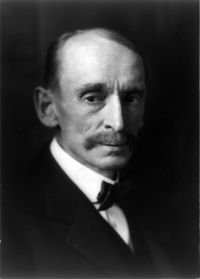
Portrait of William R. Day William R. Day Pennsylvania Company v. United States…

Considering the theater of the movements, the facilities for them are no more terminal or switching facilities than the depots, side tracks, and main lines are terminal facilities in a less densely populated district. A precise distinction between facilities can neither be expressed nor enforced. Transportation is the business of railroads, and when that business may be regulated and to what extent regulated, may depend upon circumstances.'
So here there is no attempt to appropriate the terminals of the Pennsylvania Railroad to the use of the Rochester Company.
Source: Wikisource

Portrait of William R. Day William R. Day Pennsylvania Company v. United States…

In other words, I have found it impossible to escape the conclusion that instead of being one concerning a mere switching privilege, the case is really one involving the using of terminal facilities. Differing only, therefore, as to an appreciation of the facts, I am very reluctant to express a dissent,-a reluctance which is greatly increased by the consideration that the view of the facts now taken by the court is the one which was adopted by the court below, and which was stated by the Interstate Commerce Commission.
Source: Wikisource

Portrait of William R. Day William R. Day Pennsylvania Company v. United States…

The Pennsylvania Company moved nearly twice as many cars for the Baltimore & Ohio road as the Baltimore & Ohio did for it. The government therefore contends with much force that such reciprocal switching arrangements ought not to justify giving cars shipped over the Baltimore & Ohio Railroad a preference denied the cars shipped over the lines of the Rochester road, which cars enter New Castle on the same track and reach the same junction points.
Source: Wikisource

Get perspective with Kwize: daily news enlightened by great literature