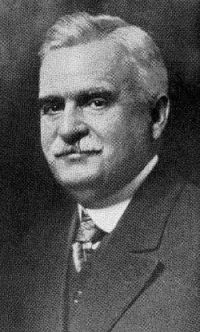
The concept of a "terminal" includes both physical and metaphorical points of convergence, acting as a nexus for movement, communication, or transformation. In literature, it emerges as a railroad hub where journeys begin or end, as seen in George Henry Payne’s depiction of transit as an “eternally accepting” process, or Irving Crump’s vivid portrayal of a terminal as a “spell-bound” confluence of activity.
It also applies to futuristic or technical domains, such as Jr. L. J. Stecher’s teleport terminal linking interplanetary travel or The Jargon File’s description of a “smart terminal” facilitating computational tasks. These diverse contexts reveal terminals as thresholds—sites where systems intersect, where human and mechanical processes align, and where narratives of transition and connection unfold.
 George Henry Payne,
History of Journalism in the United States
(1920)
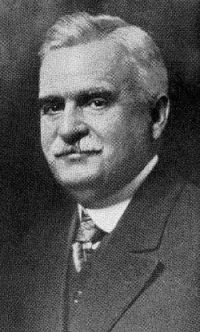
George Henry Payne,
History of Journalism in the United States
(1920)